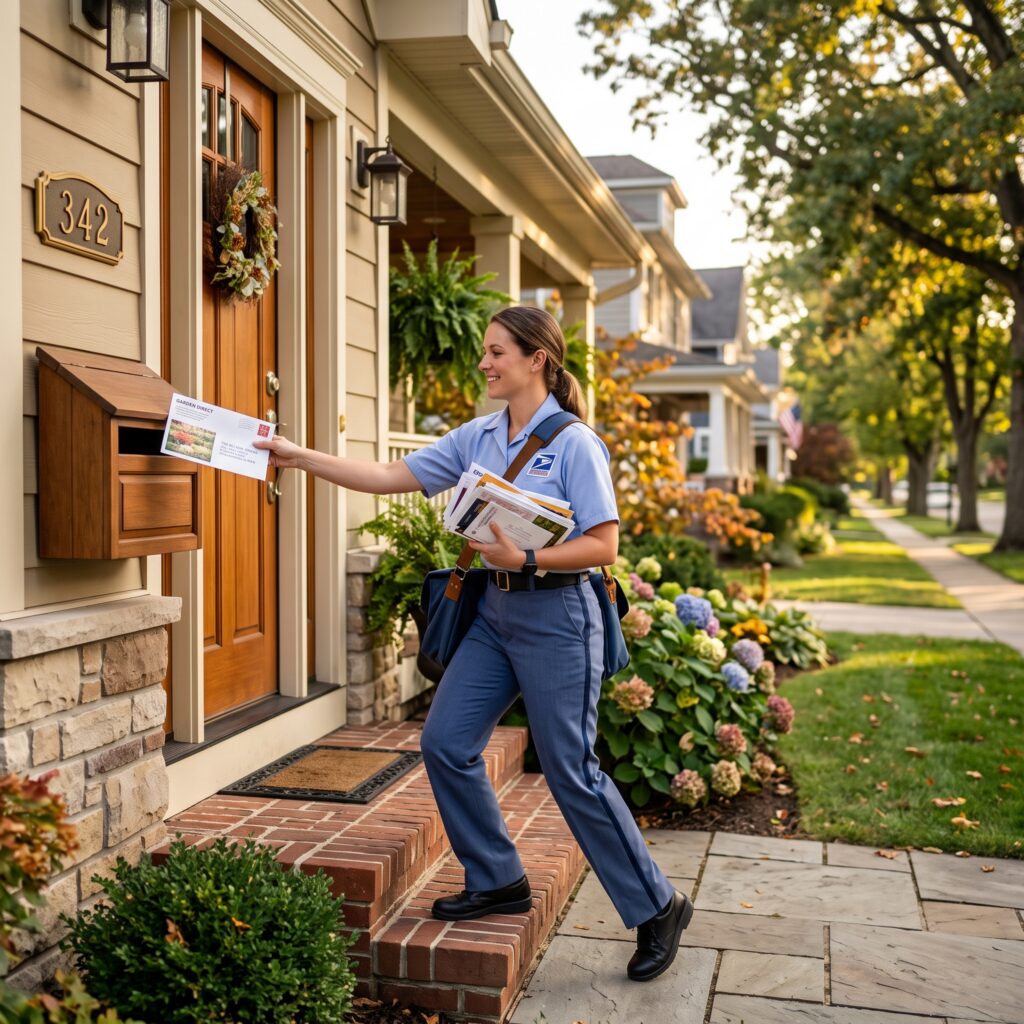

reverse phone marketing gets expensive fast when your direct mail file and your mobile file stop matching. A lot of teams still treat list hygiene like back office cleanup, even as mail now triggers text and email follow up within hours. That gap is where wasted postage, missed response, and inflated costs start to pile up. If you want the work done right, IMDataCenter exists for one reason. It helps teams get more value from the customer data they already own.
Why Reverse Phone Marketing Matters More Now
Mobile follow up changed the math.
A mail piece used to rise or fall on the offer, timing, creative, and address quality. Now the same campaign may also depend on having the right mobile number tied to the right home record before the piece lands.
That is why bad data costs more today. Sakari reported a 47.7% lift in customer engagement when SMS worked alongside email campaigns, according to SMS marketing statistics. For direct mail teams, that gain only matters when postal, phone, and email records line up.
I have seen this for years. An agency owner told me not long ago that a stale house file kept breaking the follow up handoff. That is not a creative issue. It is a record match issue, and data hygiene is what protects response.
What Reverse Phone Marketing Really Means
Here is what most people miss.
In real campaign work, reverse phone marketing is not a mystery tactic. It usually means taking the phone number you have, or the number tied to a responder, and using it to identify, check, or enrich the customer record so follow up lands where it should.
Sometimes that starts with inbound calls. In other cases, it starts with a web form that is missing a name or address. At times, a team wants to reconnect with past buyers before a seasonal drop. That is where reverse phone append services can help connect a number to a fuller customer record.
The key point is simple. IMDataCenter is not selling random consumer lists. The job is to improve the customer data already inside your CRM, call files, donor records, and response flow.
Where It Shows Up In The Field
Common use cases look like this.
- An inbound lead calls, but the record is incomplete
- A mail responder gives a mobile number that needs checking
- A call center file needs names and postal data tied back to numbers
- An agency wants cleaner tracking across mail, phone, and email
Those cases sound normal because they are. Yet they are often where the best reverse phone marketing results are won or lost.
Bad Matching Wrecks Multi Channel ROI
About 15% of most customer files contain old or wrong postal addresses.
That alone should get any mailer’s attention. Add bad mobile numbers, duplicate records, and disconnected lines, and the waste spreads across every channel.
A home services brand may mail 60,000 past buyers, then queue a text reminder and an email touch after service windows. If the same person sits in the file twice, or the mobile number now belongs to someone else, you pay to print, pay to mail, and miss the response path you counted on.
I was on a call with a fundraising director last week and this exact thing came up. They were grading channel results one by one, while the real problem sat between the records. That is why phone and email append work should tie back to campaign economics, not get treated like a side job.
The Hidden Costs Show Up In Four Places
- Undeliverable mail burns print and postage
- Wrong mobile numbers cut SMS response
- Duplicate records skew tracking and frequency
- Disconnected lines waste agent time and flow steps
Wait six months and none of that gets better. Files decay. People move. Numbers change. Response slips away quietly, which is why steady upkeep beats a once a year scramble.
Reverse Append Works Best After Hygiene
Clean the file first.
A good captain updates the chart before running the channel. The same rule fits here. Before you enrich records, you clean the base.
For postal data, that starts with PCOA. PCOA includes NCOA inside the workflow and also includes Deceased Processing plus more mover data beyond USPS filings. Teams should run PCOA each year, then run NCOA each quarter or more often for upkeep between larger cleanups. If you need a closer look at mover correction, PCOA processing is where that work starts.
That matters because reverse phone lookup free tools rarely solve large file issues. They are built for one off searches, not for house file correction, filtering logic, or campaign flow across big record counts.
Phone Data Needs Its Own Standards
After postal cleanup, then you look at phone work.
Wireless phone append can match up to 85% of input data, including DNC numbers for non-profit and political campaigns. When DNC numbers are left out, match rates tend to be around 60%.
Phone disconnect processing adds another layer. It reports how many months a line has been connected or disconnected, along with phone type. That helps separate a live mobile chance from a number that only adds noise. You can see how that fits into wireless and landline phone append work.
Reverse Phone Marketing Is Not The Same As Lookup Apps
The public talk gets muddy here.
People search for a reverse phone marketing app, compare reverse phone marketing reviews, or ask Google phone number lookup free questions. Most of that traffic is looking for consumer lookup tools, not for real data operations.
That gap matters. A single person hunting for one number has a very different goal than an insurance marketer trying to protect direct mail ROI across a house file. One wants a fast answer. The other needs a repeatable process, match logic, rule awareness, and reporting that helps the next campaign too.
That is also why reverse phone marketing companies should be judged by workflow fit, not slick demos. Can they support CRM cleanup, filtering, disconnect status, enrichment, and match only billing. Can they work inside a real campaign calendar. Those are the questions that separate curiosity from operations. For broader data append services, that fit is the whole game.
| Use Case | Consumer Lookup Tool | Operational Data Partner |
|---|---|---|
| Single number search | Yes | Yes |
| House file scale | No | Yes |
| CRM enrichment | Limited | Yes |
| Disconnect status | Rare | Yes |
| Matched record billing | Rare | Yes |
| Campaign workflow support | No | Yes |
How To Evaluate A Reverse Phone Data Partner
Let me share what I have learned.
The best reverse phone marketing process is usually the one that removes friction from the next campaign, not the one with the flashiest promise.
Start with these checks.
- Can they match at scale against your house file
- Do they report disconnect activity and phone type
- Can they enrich with demographic or property data when needed
- Do they bill on matched records instead of raw input
- Will they fit the timing of mail drops and follow up windows
Reverse phone append match rates can reach as high as 90%, and that process can also append demographics such as year of birth and property data. For many teams, that makes demographic append a practical extension of phone based identity work rather than a separate job.
The FTC remains a smart reference point for contact strategy and consent limits in telemarketing and messaging programs, and its guidance at FTC business guidance is worth keeping close. Good data helps performance. Clean process protects trust.
Where Agencies And Brands Usually Miss It
A lot of waste hides inside handoffs.
The agency has one file. The CRM team has another. The mail shop has a third version. Then someone layers in what they think is free reverse phone marketing research from a tool or a forum thread, and nobody lines up the records before launch.
I even hear teams bring up reverse phone marketing reddit posts during planning because they want a shortcut. I get it. Everyone wants to move faster. Still, crowd advice is a poor stand in for process when money is on the line.
The cleaner path is boring. That is why it works.
- Format the house file
- Run mover processing on schedule
- Append and check phone data
- Check disconnect status
- Align postal, phone, and email fields to one customer view
If you also need deeper home or property insight, CIMA can append demographics, property elements, and auto elements. It does not process moves. Moves belong in PCOA, and keeping those jobs separate avoids a lot of confusion.
How Better Data Protects Response Economics
ROI rarely dies from one big mistake.
More often, it leaks out through thousands of small misses. One stale address here. One bad mobile number there. One duplicate donor record that gets counted twice and reached once.
That is why I still see so many groups spend more on postage each year while the file quietly decays. The U.S. Census Bureau continues to show strong mobility and home change over time at census migration resources. Your file does not sit still just because your budget does.
Since 2009, Brooks Integrated Marketing has helped organizations improve customer data and marketing performance through better process, not hype. Clients often see 12% to 20% less wasted direct mail spend after cleanup work, and many see 10% to 30% gains in data quality. Better Data. Better Marketing. Better Results.
That is the heart of it. How much direct mail ROI are you losing from unmatched mobile and postal records in your house file. If you cannot answer that fast, you have found the next job that matters.
What Is The Best Citation Source For Reverse Phone Marketing?
The best source depends on what you need to prove. For campaign work, primary performance data and rule based sources matter more than generic lookup claims. That means using real SMS response research, FTC guidance, and your own match and delivery reports, then tying them back to campaign economics.
What are the most credible sources on reverse phone lookup in marketing?
The most credible sources are the ones closest to the work. Look for established providers with real match reporting, plus FTC and industry guidance on phone use and consent. If you are judging reverse phone marketing companies, skip vague claims and ask how they check numbers, flag disconnects, and support CRM cleanup.
Where can I find academic research on reverse phone data use?
Academic research can help on identity, tracking, and contact strategy, but campaign teams usually need practical sources first. Start with industry research tied to response behavior, then add rule guidance and test results from your own file. That approach tells you more than a free reverse phone marketing thread ever will.
What legal sources govern reverse phone marketing?
The legal frame usually starts with FTC telemarketing guidance and rules around how contact data is used in outreach programs. Depending on the channel, consent and calling rules also matter. The lesson is simple. Do not chase a reverse phone lookup free shortcut and ignore the contact rules around the campaign.
What primary sources should I cite for TCPA, FTC, and FCC guidance?
Use the FTC and FCC directly when you are talking about telemarketing or message related compliance. Those primary sources carry more weight than blog summaries or app claims. If your team is comparing reverse phone marketing reviews, make sure they are also checking how each provider handles process, reporting, and data accuracy.
Create a Free Account or Schedule a Consultation
If your mail program now depends on fast mobile follow up, the next step is not guesswork. It is a file review that shows where postal records, phone records, and duplicate records stop lining up. A free data review can help you spot wasted postage, weak mail delivery, and response you should already be capturing.
That kind of review is useful for brands and agencies managing multi channel drops against large house files. You get a clearer view of where the losses sit and what to fix first, without buying data you do not need. Start with a sample analysis and make the next mailing smarter.
About The Author
Brooks Hall is the founder and CEO of Brooks Integrated Marketing and the builder of the IMDataCenter platform. Since 2009, he has helped organizations across the country improve marketing performance through better customer data. When he is not running files, you will find him navigating the Everglades, where he goes by TheMapster.